
4 Steps to Create Equity in Distance Learning Programs
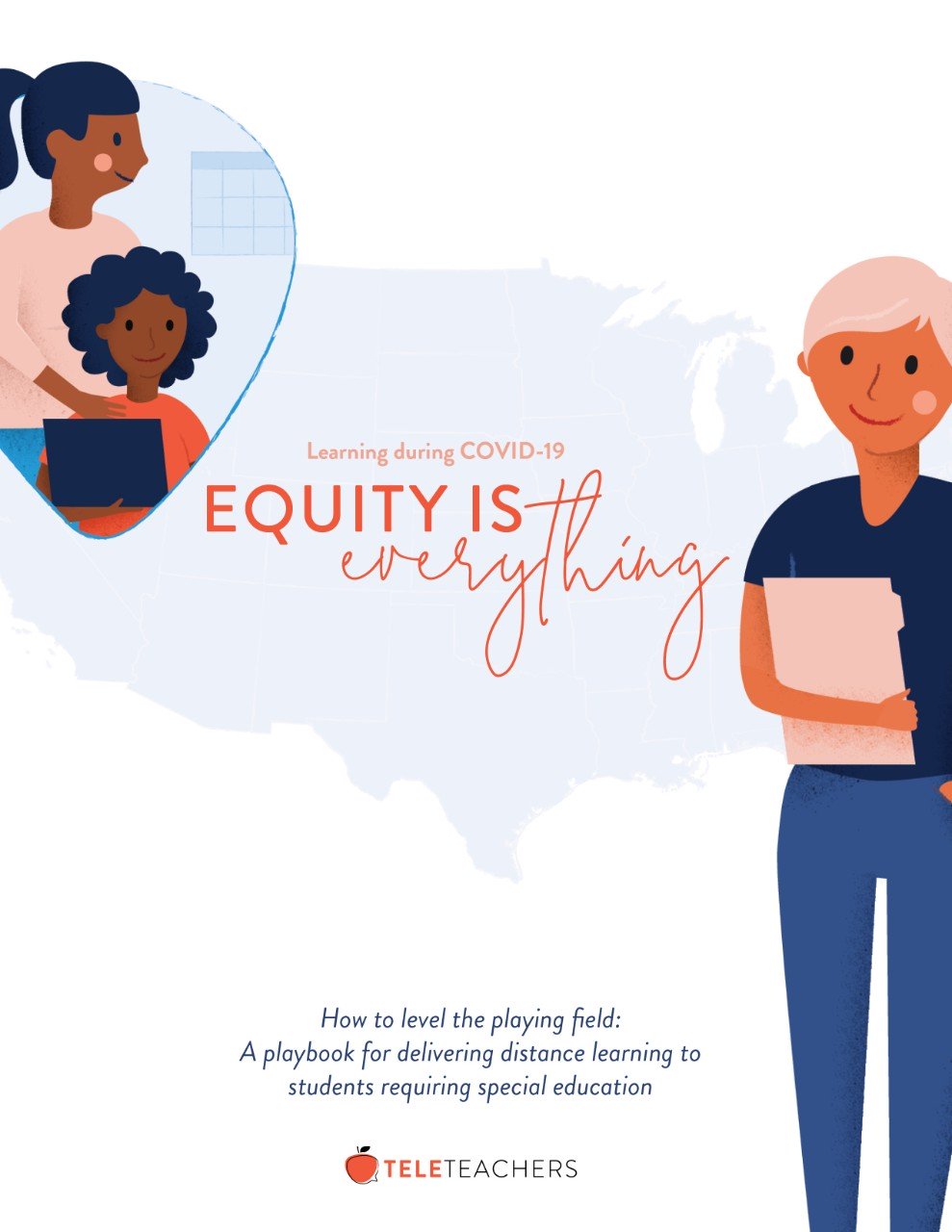
New guide helps special education directors level the playing field for students with disabilities.
Talk about a crazy year.
When districts do open again, school won’t look the same.
That leaves half of the nation’s 50.8 million public-school students already or likely headed toward some form of distance learning. It’s a tough ask for any family. For families of the 7.5 million students who require special education, it might seem especially daunting considering the state of some of these programs.
Questions about equity have already flat-out sunk several well-intentioned initiatives. In March, a school district near Seattle slammed the brakes on a distance-learning program after less than a week when administrators determined that the program unintentionally excluded some special-education students.
Reality check:
There’s very little in the way of guidance or reliable information out there about how to help students requiring special education. This has always been the case. In the wake of COVID-19, the gap is more apparent than ever.
To help, our team here at TeleTeachers recently published an expansive guide designed to help schools make distance learning more equitable for all students.
Below are four key tips to consider before you relaunch your distance learning program this fall.
(If you want to talk more about how to make special accommodations or meet the needs of students with disabilities, our team is happy to walk you through what we’ve learned in working with hundreds of school districts. We’re happy to perform a free review of your program. I dropped a link at the bottom of this article.)
1. Collaborate and Connect with Special-Education Staff
There’s a tendency to want to jump right into distance learning, letting the technology dictate the learning. This is a mistake — and we’ve seen it happen to serious consequences in recent weeks. Before you launch your distance-learning program, it’s critically important to understand the big picture of the individual student and their academic successes and challenges. Troubleshoot ideas and share helpful advice with one another. Then, when you’re ready, roll the program out together, as a team.
2. Prioritize Caregiver Communication
Parents play an important role in distance learning. It is critical for the delivery of effective services and the implementation of strategies to communicate effectively with parents and guardians. As therapists, we make sure to provide parent-friendly suggestions for content facilitation and delivery, including practical ideas and strategies to effectively implement activities in modified and fun ways from home.
3. Always put Students First
Spoken aloud, this one might sound obvious. But it doesn’t always happen. Building rapport and a trusting relationship is key to students’ success, especially in an online or distance environment. Making progress toward pre-established IEP goals should be a priority. Exercises that help build personal confidence and a sense of autonomy are critical. Simply delivering services is never the goal. Students come first. It’s up to us as instructors and therapists to make sure all children are building the communication and life skills they need to succeed.
4. Be Laser-Focused on Materials Selection
Students learn differently at home or online than they do in school. You can’t simply copy your curriculum and deliver it over video conference. Create or choose materials specifically designed for the environment your students find themselves in. Because these sessions tend to be more intimate, and often 1:1, take into account students’ personal interests and unique personalities and produce interactive, engaging, and highly effective therapy sessions that cater to their needs and who they are.
Education as we know it is forever changed. When schools do eventually reopen — and they will reopen — instruction stands to look far different in a post-COVID-19 world. The good news? With care, and the right tools, it is possible to level the playing field for special-education students, their families and your teams.
To download our full distance-learning guide, go here. If you want to talk to one of our expert TeleTeachers about how to create a more equitable distance-learning environment for students requiring special education, visit us at www.teleteachers.com to learn more or sign up here.